Barkingside deep cleaning guide for Valentines Park homes
If you live near Valentines Park, you already know the rhythm of the area: busy family homes, muddy shoes after a walk, pets coming in from the park, and the kind of everyday dust that settles quietly until one day it does not feel quiet at all. This Barkingside deep cleaning guide for Valentines Park homes is designed to help you reset a property properly, not just make it look tidy for an afternoon. Whether you are preparing for guests, dealing with stubborn marks, or trying to get on top of a home that has simply grown a bit tired, the right deep clean makes a visible difference.
Deep cleaning is not just "cleaning harder". It is a more deliberate process that targets built-up grime, hidden dust, fabric odours, and the places that routine cleaning tends to miss. In a home near a park, that matters even more. Think carpet fibres, sofa seams, curtain hems, mattress surfaces, skirting boards, and all the little corners where allergens and everyday mess like to hide. Let's face it, those spots do not clean themselves.
In this guide, you will find a practical step-by-step approach, useful comparisons, common mistakes to avoid, and a realistic checklist for planning a proper clean. If you decide to bring in help, you can also explore specialist services such as carpet cleaning, sofa cleaning, upholstery cleaning, and mattress cleaning where appropriate. The aim here is simple: give you a clearer, more confident way to deep clean a Valentine's Park home properly.
Table of Contents
- Why deep cleaning matters in Valentines Park homes
- How the deep cleaning process works
- Key benefits and practical advantages
- Who this is for and when it makes sense
- Step-by-step guidance
- Expert tips for better results
- Common mistakes to avoid
- Tools, resources and recommendations
- Law, compliance, standards, or best practice
- Options and method comparison
- Case study or real-world example
- Practical checklist
- Conclusion
- Frequently asked questions
Why Barkingside deep cleaning guide for Valentines Park homes Matters
Homes near Valentines Park often pick up a specific kind of wear. Not dramatic, usually. Just steady. Fine dust from open windows in warmer weather, dampness tracked in after rain, footprints from the park, pet hair on fabric, crumbs in the edge of a rug, and that dulling effect on carpets and upholstery that builds over time. Routine cleaning keeps things respectable, but a proper deep clean reaches the issues that sit below the surface.
This matters for comfort, appearance, and how your home feels day to day. A hallway carpet can look "fine" until it is professionally cleaned, and then suddenly the room looks brighter and newer. Same with a sofa. Same with curtains, really. You do not always notice how much build-up has happened until it is removed. A lot of people in the area are surprised by that first deep-clean result. A bit of a wake-up call, in a good way.
It also matters if anyone in the household has allergies, if you have children who are on the floor often, or if your home is regularly used for visiting family and friends. Deep cleaning does not solve every problem, obviously, but it does reduce the grime load and helps the whole place feel fresher. And yes, a fresher home is easier to keep tidy afterwards. That part is underrated.
For homeowners and landlords alike, a deep clean can support better presentation and may help protect soft furnishings from premature wear. If you are preparing a property for new occupants, it is also sensible to review practical matters like insurance and safety, health and safety, and the company's terms and conditions before booking any external service.
Expert summary: A good deep clean is not about perfection. It is about removing built-up dirt from the places that influence comfort most: floors, fabrics, touchpoints, and hidden corners. That is where the real difference shows up.
How Barkingside deep cleaning guide for Valentines Park homes Works
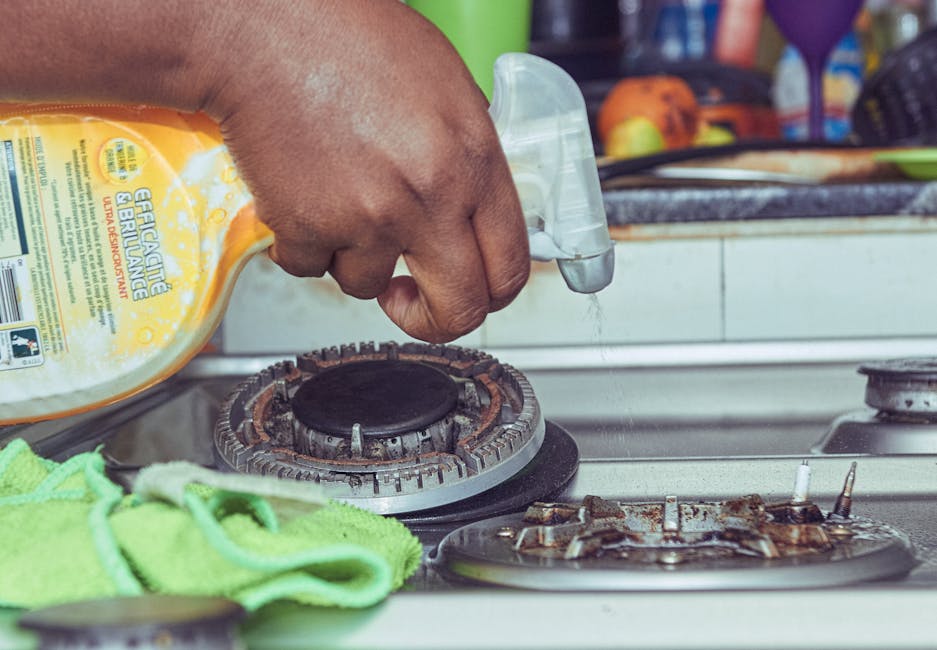
A proper deep clean usually follows a sequence, even if the exact order changes from one home to another. The basic idea is to work top to bottom, dry to wet, and clean the most delicate items with the right method rather than using one product on everything. That sounds obvious, but many people skip straight to the spray bottle and wonder why the result is patchy.
In practice, a strong deep-clean routine often includes:
- initial decluttering so surfaces can actually be reached
- vacuuming carpets, rugs, sofas, and edges before any wet work
- spot treatment on marks and traffic areas
- steam or hot-water extraction on suitable fabrics and flooring
- wiping skirting boards, switches, handles, and frames
- cleaning behind or under furniture where possible
- allowing proper drying time, which is where patience pays off
For soft furnishings, the method matters. A wool rug, for example, needs different handling from a synthetic hallway runner. A mattress should be cleaned with care to avoid soaking the filling. Curtains may need on-site fabric-safe cleaning rather than brute-force washing. If you want to understand the service categories more clearly, the site's rug cleaning, curtain cleaning, and steam carpet cleaning pages give a useful sense of what those methods are for.
Most deep cleaning plans work best when they start with the dirtiest, most travelled areas first: hallways, living rooms, stairs, and any room where pets or children spend time. Then you move into bedrooms, windowsills, skirting, and soft furnishings. If you reverse that, you often end up cleaning dust back onto already-finished areas. Not ideal.
Key Benefits and Practical Advantages
The obvious benefit is a cleaner home. But the practical advantages run deeper than that.
- Better indoor feel: Rooms smell fresher, fabrics feel cleaner, and the whole property feels less heavy.
- Improved appearance: Carpets, sofas, and rugs often look brighter after build-up is removed.
- Less hidden dirt: Deep cleaning reaches the places routine cleaning misses, especially along edges and seams.
- More manageable maintenance: Once the baseline is reset, weekly cleaning becomes easier and quicker.
- Better fabric care: Correct methods can help prevent harsh scrubbing or over-wetting damage.
- More reassuring for guests and family: A properly cleaned home simply feels more cared for.
There is also a psychological benefit, if we are being honest. A freshly deep-cleaned home changes the mood of the room. You breathe differently in it. You stop noticing the smell of old cooking in the curtains or the dull patch on the lounge carpet. That can matter a lot, especially in smaller family homes where every room works hard.
If your cleaning plan includes pet smells, the service page for pet stain and odour removal is a useful reference point. For stubborn marks that need careful treatment, stain removal is often the more precise route than general cleaning. Different problems need different answers. Bit obvious, but worth saying.
Who This Is For and When It Makes Sense
This guide is useful for a wide range of homes around Valentines Park, not just one type of property. In my experience, it tends to be most relevant in these situations:
- Family homes: where there is frequent foot traffic, snacks, pets, or school bags dropped at the door.
- Homes with soft furnishings: lots of fabric means more places for dust and odour to linger.
- Properties after a busy season: winter dirt, spring refreshes, post-renovation dust, or end-of-term clutter.
- Before guests or events: when you want the home to look and feel properly presentable.
- Before moving in or out: especially if carpets, sofas, or mattresses need a reset.
- Landlords and tenants: where condition and presentation matter, but also where clean handover is simply sensible.
It also makes sense if you have tried regular cleaning and the property still does not feel clean. That is often the clue. The surfaces may be tidy, but the fabrics and corners are holding onto the rest. Truth be told, that is normal. It does not mean the home is neglected. It means the job has reached the stage where deeper work is needed.
For people comparing services or planning a larger clean, it can help to review the company's pricing and quotes information and, if you want reassurance around business practices, the about us page is a sensible place to start.
Step-by-Step Guidance
Here is a straightforward way to tackle a deep clean without making the process harder than it needs to be.
1. Start with a room-by-room reset
Remove clutter first. Not necessarily every single item, but enough so that you can reach skirting boards, behind furniture, and the edges of carpets. If there are toys, laundry piles, shoe baskets, or random "I will deal with that later" items, now is later.
2. Dust high surfaces before low ones
Begin with shelves, picture frames, curtain rails, light fittings, and the tops of wardrobes. Then work down to side tables, skirting, sockets, and door handles. This order prevents dust from falling onto freshly cleaned lower surfaces.
3. Vacuum thoroughly and slowly
Use slow passes on carpets, rugs, and upholstery. Pay attention to edges, under sofa fronts, and around radiator corners. A quick pass is better than nothing, but a careful pass is noticeably better. If the carpet is heavily marked, a proper carpet cleaning treatment is usually more effective than repeated DIY scrubbing.
4. Treat stains before using water-based methods
Always identify the stain if you can. Grease, coffee, mud, pet accidents, and food spills respond differently. Blot first, do not rub. Rubbing usually spreads the issue and can rough up fibres. There is no prize for being aggressive with a cloth.
5. Clean fabrics carefully
For sofas, chairs, and cushions, use fabric-safe methods and avoid soaking the padding. If a piece of furniture is delicate or valuable, test a hidden area first. A sofa cleaning approach can be much safer than making up your own routine with generic products.
6. Tackle mattresses and bedrooms properly
Strip bedding, vacuum the mattress surface, and focus on seams and edges. If odour or visible marks are present, specialist care can help. Mattress cleaning is especially useful when a home needs a hygienic refresh rather than just a cosmetic tidy-up.
7. Finish with touchpoints and drying
Wipe handles, switches, bannisters, and the places people actually touch all the time. Then allow everything to dry fully. Open windows if the weather is suitable, and avoid putting heavy use back into soft furnishings too soon. That last part matters more than people think.
Expert Tips for Better Results
A few small habits make a big difference. They are not glamorous, but they work.
- Vacuum before you spot-clean: otherwise you push loose dirt into the stain and make it worse.
- Use the least moisture needed: too much water can leave odour, slow drying, and even wicking marks.
- Work from the cleanest area to the dirtiest: otherwise you drag grime around the home.
- Check fabric labels where possible: some materials need dry methods or specialist handling.
- Change cloths often: a dirty cloth just spreads residue. Simple, but easy to forget.
- Keep a dry towel handy: especially for unexpected spills or over-wet patches.
One practical tip I always come back to: do not aim to clean everything at once if the property has not had a deep clean in a while. Focus on the high-impact areas first. Hallway carpet, lounge sofa, main bedroom mattress, and stair runner, for example. You will get more visible results for your effort, and that is motivating. Clean home, calmer head. Funny how that works.
If sustainability matters to you, it can also be worth reviewing the business's recycling and sustainability approach so you understand how waste and materials are handled.
Common Mistakes to Avoid
Deep cleaning goes wrong most often because people rush or use the wrong method for the surface. A few classic mistakes keep showing up:
- Over-wetting carpets or upholstery: this can leave lingering dampness and a less-than-fresh smell.
- Using one product on every surface: what works on tiles may not suit wool, velvet, or memory foam.
- Scrubbing stains too hard: this can push them deeper or damage the pile.
- Skipping edges and hidden spots: grime loves corners, behind radiators, and under furniture.
- Forgetting drying time: use the room too soon and the clean does not last as well.
- Ignoring odour sources: sometimes the smell comes from fabric, not the floor.
Another mistake is assuming a visibly tidy room is a clean room. Not quite. A room can look fine from the doorway and still be holding dust in the curtains, dirt in the carpet base, and residue in the sofa cushions. It happens all the time.
For more complex jobs, it is better to choose specialist services than risk damage. The same applies if you are dealing with delicate rugs or mixed fabrics; in those cases, the rug cleaning and upholstery cleaning pages show the kinds of surfaces that often need a more careful approach.
Tools, Resources and Recommendations
You do not need a van full of equipment to deep clean a home, but you do need the right basics. Here is a practical list.
| Tool or item | Best use | Why it helps |
|---|---|---|
| Vacuum cleaner with attachments | Carpets, edges, upholstery, stairs | Reaches dust and debris before wet cleaning begins |
| Microfibre cloths | Skirting, handles, switches, frames | Lift grime efficiently and reduce streaking |
| Fabric-safe cleaner | Sofas, chairs, cushions | Helps avoid damage from harsh chemicals |
| Spotting cloths or white towels | Stains and spills | Useful for blotting without transferring dye |
| Soft brush or upholstery tool | Carpet pile and textured fabric | Helps loosen dirt gently |
| Fan or open windows | Drying stage | Improves airflow and reduces lingering moisture |
If you are considering professional help, look for clear communication, sensible expectations, and methods that suit the property. A good service should explain how it handles drying, stains, and different fabric types. It should also be transparent about payment and booking details, so the payment and security information should make sense before you commit.
For anyone wanting broader reassurance, the company's insurance and safety and health and safety policy pages are worth checking. Those pages help set expectations, especially if the job involves valuable furniture or access in a lived-in family home.
Law, Compliance, Standards, or Best Practice
Deep cleaning a home is not usually a heavily regulated activity in itself, but best practice still matters. In the UK, homeowners and tenants should think carefully about safety, fabric care, and any instructions supplied for the property or items being cleaned. If you are using a professional cleaner, reasonable expectations include clear pricing, safe chemical handling, appropriate insurance, and honest communication about what can and cannot be cleaned safely.
There are also practical responsibilities around access, damage prevention, and the handling of personal property. If someone is working in your home, it is sensible to know how complaints are handled, what the service includes, and what happens if an issue arises. That is where pages such as complaints procedure, privacy policy, and terms and conditions become useful, not just formal.
Best practice also means choosing methods that suit the material rather than the other way around. For example, a steam or hot-water extraction clean can be suitable for many carpets, but not every fabric or finish will like the same treatment. When in doubt, test first or choose a specialist who can explain the difference in plain English. That last bit is a good sign, by the way. If a service can explain it simply, it usually understands it properly.
Options, Methods, or Comparison Table
Different homes need different approaches. Here is a plain comparison to help you decide what fits best.
| Method | Best for | Strengths | Limitations |
|---|---|---|---|
| DIY deep clean | Light refresh, regular upkeep | Low cost, flexible timing | Can be slow, inconsistent, and easy to over-wet fabrics |
| Professional carpet or fabric cleaning | High-traffic carpets, sofas, rugs, mattresses | More thorough, better equipment, safer for tricky materials | Costs more than doing it yourself |
| Targeted stain treatment | Single marks or accident areas | Efficient and focused | Does not refresh the whole room |
| Whole-home deep clean | Move-in, move-out, seasonal reset | Comprehensive, visually strong results | Requires more planning and drying time |
For most Valentines Park homes, a blended approach works best. Maybe you handle decluttering, hard surfaces, and light dusting yourself, then bring in specialist support for carpets or upholstery. That way, you keep control of the budget while still getting the high-impact results where they matter most. It is a sensible middle ground, really.
Case Study or Real-World Example
Here is a realistic example, based on the sort of job this guide is meant for. A family home near Valentines Park had a hallway carpet that looked dull, a lounge sofa with a noticeable odour after months of daily use, and a bedroom mattress that had never been properly cleaned since purchase. Nothing dramatic, just normal wear building up until the house started feeling a bit stale.
The owners began with a declutter and full vacuum, then isolated the sofa and carpet areas for targeted treatment. The carpet needed a more intensive clean because the walking route from the front door had become a dark track. The sofa needed careful attention around the arms and seat cushions, where body oils and dust had settled. The mattress was cleaned separately so drying would not slow down the rest of the house.
What changed? The room looked brighter, but the bigger difference was the smell and feel of the space. That slightly dusty background scent disappeared. The family said the home felt easier to keep on top of afterwards, which makes sense; once the embedded dirt is gone, the weekly clean actually keeps up. Not magic. Just good housekeeping, properly done.
If a home like that were being prepared for new occupants, it would be sensible to review the relevant service pages in advance, including carpet cleaning, sofa cleaning, and mattress cleaning, so you know which parts of the property need specialist attention rather than a general wipe-down.
Practical Checklist
Use this checklist before, during, or after a deep clean. It keeps the job grounded.
- Remove clutter from floors, sofas, tables, and windowsills
- Open windows if weather and security allow
- Vacuum all carpets, rugs, stairs, and upholstery seams
- Treat visible stains carefully before broader cleaning
- Dust high-to-low: shelves, frames, lights, skirting, handles
- Clean behind movable furniture where possible
- Check mattresses, curtains, and sofa cushions for trapped odours
- Use the right method for each fabric or surface
- Allow enough drying time before replacing cushions or bedding
- Review safety, insurance, and service details before booking help
Quick reminder: if the job starts feeling bigger than expected, that is usually because it is. Better to slow down and do it properly than rush into a half-finished clean that needs redoing next week.
If you are comparing local options or want to understand what a quote might include, the pricing and quotes page is the sensible place to start. And if you want to know more about the company behind the work, the about us page is there too.
Conclusion
A thoughtful deep clean is one of the best ways to reset a Valentines Park home. It brightens carpets, freshens fabrics, removes hidden dirt, and makes the whole property feel more settled. More importantly, it gives you a better baseline for everyday cleaning, which means the results last longer than a quick surface tidy ever could.
The most effective approach is usually simple: clean in the right order, use the right method for the right material, and do not rush the drying stage. Whether you handle the work yourself or bring in specialist help for carpets, upholstery, rugs, or mattresses, the goal is the same - a home that feels properly cared for, not just looked at from a distance.
And honestly, that feeling matters. A home should feel good to come back to, especially after a wet walk or a long day out around the park. Little things add up. Fresh carpet, clean sofa, clear air. It all helps.
Get a free quote today and see how much you can save.
Frequently Asked Questions
What makes a deep clean different from normal cleaning?
A normal clean handles day-to-day upkeep like wiping surfaces, vacuuming, and tidying visible areas. A deep clean goes further by targeting built-up dirt, fabrics, hidden corners, and places that routine cleaning often misses.
How often should a Valentines Park home be deep cleaned?
That depends on how the home is used. Busy family homes, homes with pets, and properties with a lot of soft furnishings often need deep cleaning more often than quieter households. A seasonal reset is a common place to start.
Is steam cleaning safe for all carpets and sofas?
Not always. Steam or hot-water extraction can work very well on many carpets, but some fabrics and finishes need a gentler method. Always check the material first, and test a hidden area if you are unsure.
Can I deep clean a mattress myself?
You can do a basic refresh with vacuuming and light surface care, but avoid soaking the mattress or using strong products without checking suitability. If there are stains or odours, specialist mattress cleaning is usually the safer option.
What should I clean first in a deep clean?
Start with clutter removal, then dust high surfaces, and move on to vacuuming before any wet cleaning. That order prevents you from spreading dust back onto areas you have already cleaned.
How do I deal with pet smells in carpets or upholstery?
Pet odours often sit deeper in fibres or padding than people expect. Blot accidents quickly, avoid harsh scrubbing, and use fabric-safe odour treatment. For persistent smells, specialist pet stain and odour removal is usually the better route.
Will deep cleaning help with allergies?
It can help reduce dust and allergens that build up in fabrics, carpets, and soft furnishings. It is not a medical treatment, of course, but a cleaner environment often feels noticeably fresher and easier to live in.
How long does a home take to dry after deep cleaning?
Drying time depends on the method used, ventilation, room temperature, and how much moisture was involved. Good airflow helps a lot. Avoid putting heavy use back into the room too soon.
What are the biggest mistakes people make with DIY deep cleaning?
The most common mistakes are using too much water, scrubbing stains too hard, skipping hidden areas, and choosing the wrong product for the material. Those errors can leave damage or make the result look patchy.
How do I know if I should book a professional cleaner instead of doing it myself?
If the home has stubborn stains, heavy traffic areas, delicate fabrics, persistent odours, or a full-house refresh to tackle, professional help usually saves time and gives more consistent results. If you want, you can also compare service details and safety information before making a decision.
Are there any documents I should check before booking a cleaner?
Yes. It is sensible to review pricing, insurance, safety, terms, privacy, and complaints information so you know what is included and how the service operates. A trustworthy provider should make that easy to find and understand.
Can deep cleaning be done around a normal family schedule?
Absolutely, but it helps to break the work into rooms or zones. In real life, that is often the only sensible way. A whole-home deep clean done in one rushed afternoon tends to be messy, and a bit miserable too.