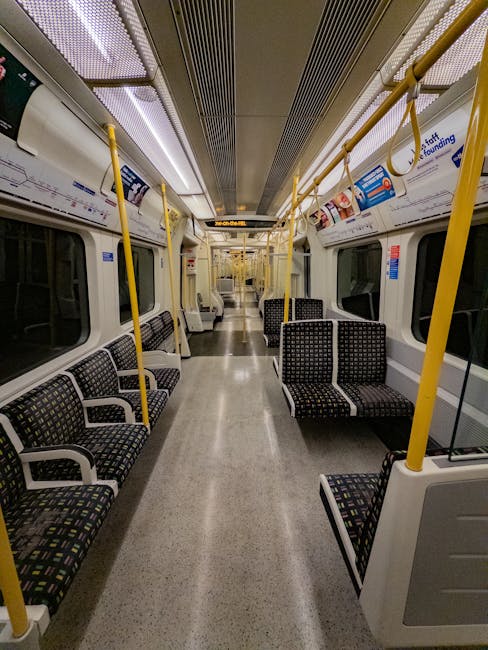
Quick upholstery cleaning near Barkingside Tube Station
If you need quick upholstery cleaning near Barkingside Tube Station, you are probably dealing with one of those awkward, everyday messes that never seem to arrive at a convenient time. A fresh tea spill on the arm of the sofa, a mystery mark on a dining chair, a smell that has lingered a bit too long after a busy week - it happens. And when it does, most people want two things: a fast response and a result that actually looks clean, not just damp.
This guide explains how quick upholstery cleaning works, what to expect, when it makes sense, and how to choose a sensible service without overthinking it. You will also find a practical checklist, a comparison table, and a few expert tips that can save you from making the usual mistakes. To be fair, upholstery is easy to underestimate until you sit on a blotchy sofa and think, well, that did not age well.
For a broader overview of fabric care and related services, you can also look at the main upholstery cleaning service, plus other useful pages such as sofa cleaning, stain removal, and pet stain odour removal.
Table of Contents
- Why Quick upholstery cleaning near Barkingside Tube Station Matters
- How Quick upholstery cleaning near Barkingside Tube Station Works
- Key Benefits and Practical Advantages
- Who This Is For and When It Makes Sense
- Step-by-Step Guidance
- Expert Tips for Better Results
- Common Mistakes to Avoid
- Tools, Resources and Recommendations
- Law, Compliance, Standards, or Best Practice
- Options, Methods, or Comparison Table
- Case Study or Real-World Example
- Practical Checklist
- Conclusion
- Frequently Asked Questions
Why Quick upholstery cleaning near Barkingside Tube Station Matters
Speed matters because upholstery tends to hold on to whatever lands on it. Unlike a hard floor, fabric absorbs liquid, grime, body oils, dust, and odour more readily. If a spill sits too long, it can spread under the surface, reach the cushioning, and become much harder to remove later. So if you are near Barkingside Tube Station and need a quick turnaround, the value is not just convenience - it is damage limitation.
There is also a very normal local-life factor here. Near a busy station, homes and small businesses can see more footfall, more weather carried in on coats and bags, and more day-to-day wear. A sofa in a rented flat, waiting room chair, office reception seat, or cafe bench can start looking tired surprisingly quickly. The issue is not always dramatic staining either. Sometimes it is the slow dulling of the fabric that makes a room feel less cared for than it should.
Quick cleaning is especially helpful when you are preparing for visitors, trying to restore a property before the end of a tenancy, or simply wanting to get things back to normal after an accident. And let's face it, upholstery is one of those details people notice without noticing. Clean it, and the whole room feels fresher. Ignore it, and the space can feel slightly off, even if everything else is spotless.
Expert summary: Quick upholstery cleaning is most valuable when time, appearance, and fabric protection all matter at once. The best approach is fast, careful, and matched to the material - not rushed, not soaked, and not guesswork.
How Quick upholstery cleaning near Barkingside Tube Station Works
A proper quick upholstery clean is not just "spray and wipe." A good technician will first identify the fabric type, the level of soiling, and the likely cause of the problem. That matters because different materials react differently to moisture, heat, agitation, and cleaning solutions. Cotton blends, synthetics, velvet-style fabrics, and delicate natural fibres all need a slightly different touch.
The process usually starts with inspection and dry soil removal. Loose grit and dust are lifted first because rubbing debris into fabric can create extra wear. After that, the cleaner may pre-treat stains, apply a suitable solution, and use controlled agitation to loosen embedded dirt. Depending on the fabric and the urgency, they may use low-moisture methods, hot water extraction where appropriate, or targeted spot cleaning for isolated marks.
"Quick" should never mean careless. In practice, it often means a streamlined visit, sensible preparation, and efficient drying. A really good clean will leave the fabric looking brighter and feeling fresher without over-wetting the filling underneath. That is the bit most people do not see - but it is the bit that protects the upholstery long term.
If you need a service for a broader fabric refresh, some people also pair upholstery work with carpet cleaning or even rug cleaning on the same visit. That can be a sensible time-saver if several items need attention anyway.
Key Benefits and Practical Advantages
The obvious benefit is getting a visible improvement quickly, but the real value goes a bit deeper than that. Fast upholstery cleaning can extend the life of the fabric, reduce odours, and stop small marks from becoming permanent. It can also help you avoid the "I'll deal with it later" trap, which, in fairness, is where many stains quietly become long-term residents.
- Better appearance: Fabric often regains colour depth and looks less flat after a proper clean.
- Reduced odours: Spills, pets, and everyday use can create lingering smells that vacuuming alone will not shift.
- Less wear over time: Embedded grit and grime act like fine sandpaper on fibres.
- More usable space: In homes, offices, and waiting areas, cleaner seating makes rooms feel more welcoming.
- Convenience: Quick appointments help when you need things sorted before guests, inspections, or opening hours.
For households with pets or children, the benefit is often peace of mind. You can stop worrying about every tiny mark on the armrest. For landlords and tenants, it is often about presentation and leaving the property in decent condition. For small businesses, it is about first impressions. A reception chair with a visible stain does not exactly whisper professionalism.
If the issue is a stubborn mark rather than general wear, combining cleaning with the right stain removal approach can improve results, especially when the fabric has been treated quickly after the incident.
Who This Is For and When It Makes Sense
Quick upholstery cleaning is not only for people in a panic after a spill. It is useful for a wide range of everyday situations. The point is not always emergency restoration; sometimes it is maintenance, timing, or simple good judgement.
This service makes particular sense if you are:
- a homeowner who wants a sofa, armchair, or dining chairs refreshed without waiting days;
- a tenant trying to leave the place in better shape than you found it;
- a landlord or letting agent looking after furnishing standards between occupancies;
- a business owner with upholstered seating in a reception, office, salon, or cafe;
- a pet owner dealing with odour, hair, or the occasional accident;
- someone hosting guests, family, or an event and wanting the room to look cared for.
It also makes sense when you have already tried light DIY cleaning and the mark is still there. That is common. Store-bought sprays can help with surface grime, but they often struggle with deeper contamination or older stains. Worse, some products leave a residue that attracts more dirt later. Bit annoying, really.
In some cases, the upholstery itself is not badly stained; it is simply looking tired after years of use. That is where a refresh can make a surprisingly big difference, even if there is no single dramatic blemish to point at.
Step-by-Step Guidance
If you are arranging quick upholstery cleaning near Barkingside Tube Station, a simple process keeps things smooth. It also helps you avoid paying for unnecessary extras or creating problems through poor preparation.
- Identify the item and fabric type. Note whether it is a sofa, chair, stool, bench, headboard, or something else. If there is a care label, keep it handy.
- Describe the issue clearly. Tell the cleaner whether it is a spill, general soiling, pet odour, food stain, drink mark, or a mix of all of them.
- Ask what method is suitable. A good cleaner will explain whether low-moisture cleaning, targeted stain work, or a deeper clean is best.
- Clear the area. Move small items, cushions, throws, and fragile objects so the cleaner can work efficiently.
- Test and treat. The technician should check for colourfastness and fabric sensitivity before treating the full item.
- Clean in stages. Pre-treatment, agitation, extraction or wipe-down, and finishing touches should all follow a sensible order.
- Dry properly. Ask about expected drying time and how to help airflow afterwards.
That last point matters more than people think. If you sit on the upholstery too soon, you can flatten damp fibres and end up with patchy results. Sometimes patience is the glamorous part of cleaning. Not ideal, but there it is.
Expert Tips for Better Results
From a practical point of view, the best results usually come from doing a few simple things well, rather than trying to do everything at once. Here are the habits that make a real difference.
- Act quickly on spills. Blot, do not rub. Rubbing pushes the stain deeper and can fuzz the fabric.
- Use the right amount of moisture. Oversoaking is one of the quickest ways to cause trouble.
- Vacuum before cleaning. Removing dry soil first lets the cleaner focus on the actual stain.
- Check for hidden risks. Loose buttons, weak seams, or faded fabric should be flagged early.
- Ventilate the room. Good airflow helps drying and reduces that "clean but slightly damp" smell.
- Be careful with DIY spot products. If you cannot identify the stain or the fabric, test somewhere hidden first.
One practical tip that often gets overlooked: take a quick photo of the upholstery before cleaning, especially if it is a rental property or a shared space. It gives you a reference point for the result and avoids that "it looked different yesterday" debate later on. Slightly boring, very useful.
If your furniture has tricky odour issues, you may also want to consider sofa cleaning alongside pet stain odour removal, especially where pets have used the same spot repeatedly.
Common Mistakes to Avoid
A lot of upholstery damage happens after the original spill, not because of the spill itself. That sounds dramatic, but it is true. People panic, scrub too hard, or use the wrong product, and then the mark spreads or the fabric changes texture.
- Scrubbing aggressively: This can distort the weave, create visible rings, and push grime further in.
- Using bleach or harsh chemicals: These can strip colour and damage fibres very fast.
- Ignoring the fabric label: The label exists for a reason, even if it is small and a bit annoying to read.
- Cleaning too much at once: More solution does not mean more cleaning. Usually it means more drying time.
- Waiting too long: Older stains become harder because they bond with the fibres and backing.
- Forgetting odour sources: A seat can look clean and still smell if the source has penetrated the padding.
Another common mistake is assuming every upholstery job needs the same approach. It does not. A sturdy synthetic office chair and a soft fabric corner sofa are both "upholstery," but they are not the same job. That sounds obvious, but in practice people often lump them together and expect one method to handle everything.
Tools, Resources and Recommendations
You do not need to own specialist equipment to make a quick clean worthwhile, but it helps to know what a professional should be using, and why. Good tools are not about gimmicks; they are about control.
| Tool or product | What it does | Why it matters |
|---|---|---|
| Vacuum with upholstery attachment | Lifts dry soil, dust, crumbs, and hair | Prevents debris from being rubbed into the fabric |
| Fabric-safe pre-spray | Loosens dirt and prepares stains for treatment | Improves cleaning without forcing harsh action |
| Microfibre cloths | Useful for blotting and controlled wipe-downs | Helps avoid spreading moisture around the stain |
| Low-moisture extraction or controlled cleaning equipment | Removes soil with reduced over-wetting | Supports faster drying and less risk to padding |
| Odour treatment products | Targets lingering smells from pets, food, or spills | Helps the upholstery feel genuinely fresh, not just visually improved |
For many readers, the most helpful "resource" is actually a sensible service structure. If your seating is badly stained, or you need several items handled in one visit, it may be worth looking at related options such as commercial carpet cleaning for business spaces, or curtain cleaning if the room's soft furnishings all need a lift.
If you are comparing prices, pricing and quotes can help you understand how jobs are usually assessed. The key thing is to ask what is included - item count, stain treatment, drying expectations, and whether any extras apply.
Law, Compliance, Standards, or Best Practice
Upholstery cleaning is not usually a heavily regulated activity in the way medical or food work might be, but there are still sensible UK best-practice expectations around safety, product use, and property care. The important points are straightforward: use suitable cleaning agents, avoid unnecessary damage, and handle water and electricity carefully.
For homes, the main concern is fabric safety and preventing avoidable damage. For businesses and landlords, there is usually a stronger duty of care around keeping premises reasonably clean and maintaining furnishings in serviceable condition. If a cleaner is working around electrical items, they should show common-sense care with cables, sockets, and nearby equipment. No heroics required, just proper housekeeping.
It is also worth checking whether the company gives clear information on insurance, safety, payments, and terms. Those details are not glamorous, but they matter when you want a job done properly. Pages such as insurance and safety, health and safety policy, payment and security, and terms and conditions are the sort of thing responsible customers often review before booking.
If sustainability matters to you, it is also reasonable to ask how waste water, cleaning products, and reusable materials are managed. A recycling and sustainability page can be a useful sign that the business thinks beyond the single visit.
Options, Methods, or Comparison Table
Different upholstery jobs call for different methods. There is no one-size-fits-all answer, and that is actually a good thing. The method should match the fabric, the level of soiling, and how quickly you need the item usable again.
| Method | Best for | Pros | Limitations |
|---|---|---|---|
| Low-moisture cleaning | Routine refresh, lightly marked upholstery, quick turnaround | Faster drying, lower risk of overwetting | May not be enough for deep staining |
| Hot water extraction | Heavier soiling on suitable fabrics | Deep soil removal, strong refresh effect | Needs careful drying and not ideal for every material |
| Targeted stain treatment | Isolated spills and spot marks | Efficient, focused, often very practical | Less effective if the whole item is dull or dirty |
| Dry cleaning style methods | Delicate upholstery or moisture-sensitive fabrics | Reduced risk from water | Not suitable for every stain type |
So which one is best? Honest answer: it depends. A stained dining chair in a busy family kitchen might need a different approach from a delicate armchair in a spare room. If you are not sure, a proper inspection is worth its weight in gold - or at least in saved headaches.
Case Study or Real-World Example
A very typical local scenario goes like this. Someone near Barkingside Tube Station spills tea on a fabric armchair on a Friday evening. They blot it straight away, but by the next day the mark has dried into a pale ring with a darker centre. By Monday morning, the chair also smells faintly stale because the liquid reached deeper into the fabric.
At that point, a quick upholstery clean becomes more than a cosmetic tidy-up. The cleaner would normally inspect the fabric, treat the stain carefully, and work around the affected section without soaking the chair. If the rest of the furniture is dusty or lightly marked, a broader refresh may be worthwhile too. In many homes, that one chair is the visible problem, but the whole sitting area benefits from being treated together.
That is often the difference between a quick, successful clean and a frustrating one. The goal is not to chase a single mark until the fabric is stressed. It is to restore the item in a way that looks natural. No patchiness. No odd smell. Just normal again.
Practical Checklist
Use this checklist before booking or starting a quick upholstery clean.
- Identify the item and fabric type if you can.
- Note the age of the stain or mark.
- Blot spills gently rather than rubbing.
- Move small furniture and fragile items out of the way.
- Ask whether the method suits your fabric.
- Check drying time and ventilation needs.
- Confirm whether odour treatment is included if needed.
- Review insurance, safety, and pricing information.
- Set realistic expectations for old or set-in stains.
- Keep pets and children away from the area while it dries.
If you want a more complete refresh, you might also consider combining upholstery work with mattress cleaning or steam carpet cleaning so the room feels consistently fresh rather than half-done.
Conclusion
Quick upholstery cleaning near Barkingside Tube Station is really about keeping everyday life manageable. It helps you deal with spills, odours, worn-looking fabric, and those moments when a room needs to feel presentable again, fast. More than that, it protects furniture from preventable damage and gives you a cleaner, calmer space to live or work in.
The best results usually come from simple things done properly: identify the fabric, use the right method, avoid over-wetting, and do not leave stains to "see how they go." If you take care of upholstery early, you usually save time and money later. That is just how it tends to work.
If your sofa, chair, or other fabric item needs attention soon, the sensible next step is to compare the service details, check the practical information, and choose the cleaning approach that suits the material rather than forcing a one-size-fits-all fix. And if you want reassurance before booking, you can also learn more about the company through the about us page or the contact options. Sometimes a quick conversation clears up more than five minutes of guessing ever will.
Get a free quote today and see how much you can save.
Clean furniture does not solve everything, of course, but it does make a room feel lighter. And sometimes that little lift is exactly what you need.
Frequently Asked Questions
How fast can quick upholstery cleaning near Barkingside Tube Station usually be arranged?
It depends on schedule, item size, and fabric type, but quick upholstery cleaning is generally designed for faster booking and efficient on-site work. If you have a spill or a time-sensitive need, say that clearly when enquiring.
Can upholstery be cleaned on the same day as the enquiry?
Sometimes, yes, if there is availability and the item is suitable for fast treatment. Same-day help is more realistic for smaller or simpler jobs, though larger items may need a later slot.
Will quick cleaning remove old stains?
Not always completely. Older stains can bond with fibres and backing, so results vary. A good cleaner should explain what is likely before starting rather than promising miracles. That honesty matters.
Is quick upholstery cleaning safe for delicate fabrics?
It can be, if the method is chosen carefully. Delicate fabrics need low-moisture or specialist treatment, and a proper inspection should happen first.
How long does upholstery take to dry?
Drying time depends on the fabric, room airflow, and how much moisture was used. Faster methods dry sooner, while deeper cleaning can take longer. Good ventilation usually helps a lot.
Should I vacuum the upholstery before the cleaner arrives?
If you can do it safely, yes. Vacuuming removes dry dirt and hair, which helps the cleaning process work better. It is a small step, but a useful one.
What if my sofa smells from pets or food?
Odour may need more than a surface clean, especially if it has reached the padding. In those cases, ask about targeted odour treatment or related services like pet stain odour removal.
Is it worth cleaning just one chair or one seat?
Yes, absolutely, if that item is the one causing the problem. A single stained chair can change the feel of a room, so targeted cleaning can be very worthwhile.
Can I book upholstery cleaning together with other services?
Often that is the most practical option. Many people combine seating with carpets, rugs, curtains, or mattresses so the entire room feels refreshed in one visit.
What should I ask before booking a cleaner?
Ask about the cleaning method, fabric suitability, drying time, pricing, insurance, and whether stain treatment is included. It is also sensible to check payment and terms information before confirming.
How do I know whether a stain should be treated professionally?
If the stain is old, large, greasy, smelly, or on a delicate fabric, professional treatment is usually the safer choice. If DIY cleaning has already made it worse, that is another clue.
Do I need to move furniture before the appointment?
Usually just clear smaller items, cushions, and anything fragile around the furniture. If the cleaner needs more space, they can often advise what needs to be moved in advance.